
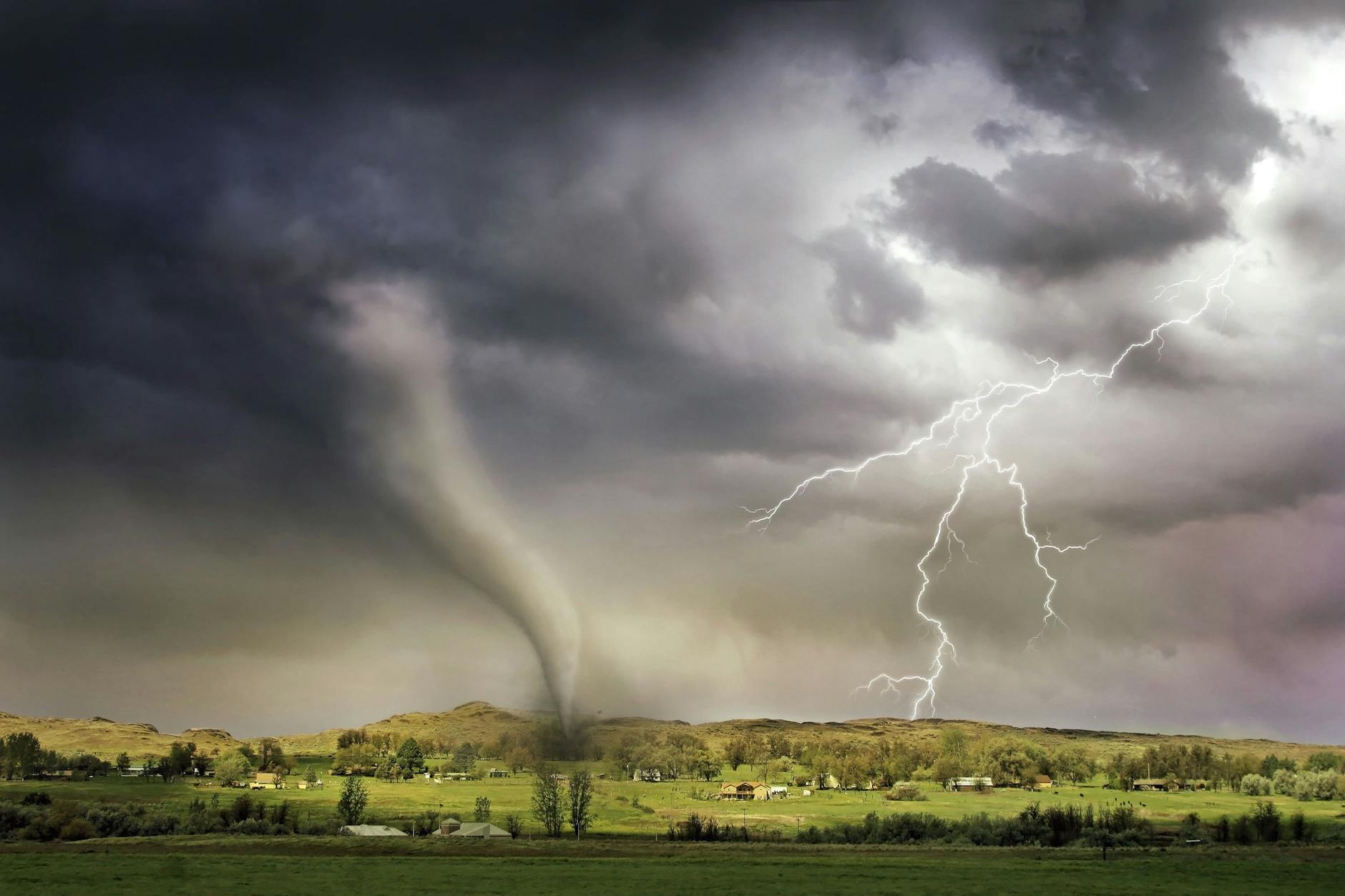
June is National Safety Month, and honestly, it’s a good excuse to pause and ask: If something happened today—a tornado, a power outage, an evacuation—am I actually ready?
We’re often the ones holding everything together. Whether it’s aging parents, children still at home, or pets, we’re often the steady one in a storm (literally and figuratively). That’s why it’s so important to have a plan that brings peace—not panic.
“The wise store up knowledge…” —Proverbs 10:14 (NIV)
Every region has its own challenges—some of us must prep for hurricanes, others for wildfires or tornadoes (which don’t give much warning at all). No matter where you live, this guide will help provide a plan before the weather turns.
1. Your Storm-Ready Supply Kit
Think of this as your emergency go-bin. A big plastic bin with wheels is great—it keeps things together and can roll right to your car if needed.
Here’s what to keep in it: (Scroll down for a links to printable checklists for more help)
- Water (recommended is 1 gallon per person)
- Non-perishable food (ready food in cans with pop-tops, peanut butter, protein bars)
- Cleaning wipes, garbage bags, gloves
- Tool like a wrench or pliers to turn off utilities
- Prescription meds (and a list saved in your phone too)
- A basic first aid kit
- Fire extinguisher
- Matches or a lighter in a waterproof container
- Paper plates, cups, utensils, paper towels
- Blankets or sleeping bags (you can store these with grab and go bags)
- A weather radio (battery-powered or hand-crank is best)
- Flashlight or headlamp with extra batteries
2. Paperwork and Peace of Mind
If you’ve ever torn the house apart looking for an important document during a stressful moment—you know. Organize now so you are prepared for when you need something on just a regular day, not only an emergency.
Here’s how to simplify:
- Gather: Birth certificates, insurance policies, social security cards, deeds, passports, vehicle titles, marriage license, high school transcripts (if you homeschool)
- Scan & save: Create a folder on a flash drive (or password safe in your cloud storage) with scanned PDFs of everything.
- Store: Originals go in a waterproof, fire-safe box that’s easy to grab. Use labeled envelopes for each family member’s documents.
And if you’re still holding onto that old-school address book (no judgment!), now’s the time to transfer all contacts into your smartphone. Make sure to include local emergency numbers, doctors, utilities, insurance agents, and anyone you’d need to reach quickly. It’s also smart to have your bank’s app already set up on your phone—just in case your debit card is lost, or you need to access your account while away from home.
Still hanging on to lots of paper documents? (No shame—some of us are tactile thinkers!) This is a good opportunity to go paperless by downloading apps from utility companies, insurance providers, and banks to your phone. Not only does this reduce clutter, but it also makes accessing vital info easier in an emergency.
Finally, if you’re caring for an aging parent, keep a note in your phone with their current medications and doctor contacts. Having quick access could save valuable time if a medical situation comes up.

3. Grab-and-Go Bags
Each person in your family (yes—even the dog) should have a backpack with essentials if you need to leave in a hurry. Keep these close to your supply bin so you’re not scrambling. These are especially helpful if you live somewhere tornadoes are common—because when it’s time to move, you often only have minutes.
Adults / Teens:
- Face masks
- Travel-size hygiene items
- A few water bottles
- High-protein snacks
- Phone charger & power bank
- Extra glasses or contacts
- Container with a week’s worth of meds
- Change of clothes & sturdy shoes
- Cash in small bills
Kids 8–12: Same basics as above but lighter. Add a comfort item like a book or stuffed animal.
Kids 7 & Under: A small bag they can carry with a snack, extra shirt, and favorite toy. You carry the rest of their essentials.
4. Don’t Forget the Pets 🐾
Your furry friends need a plan too.
- A kennel or crate (even if they don’t normally use one—it helps keep them calm in chaos and will be required for shelters)
- Extra water, food, and a week’s worth of meds or supplements
- Collapsible bowls
- Extra leash and a favorite toy or blanket
Prep a bin. Gather documents. Label backpacks. One small step today = less stress tomorrow.
Preparedness isn’t about fear. It’s about being wise, responsible, and ready to care for those God has trusted us with. As midlife women, we’ve lived through enough storms to know that peace often comes from having a plan—and trusting the One who guides us through it.
Live It Out:
- This doesn’t have to be overwhelming. Choose one 30-minute block this week to start.
- Choose one item to finish from the above list, whether buying water or finding a grab-and-go bag.
- Depending on your region, download one of the checklists below to help with your plan.
Helpful Resources
- Printable FEMA checklist
- Ready.gov Build-a-Kit checklist
- Red Cross Hurricane Preparedness Checklist
- OSHA Tornado Preparedness Checklist
- Red Cross first-aid kit guide








I'd love to hear what you think!