
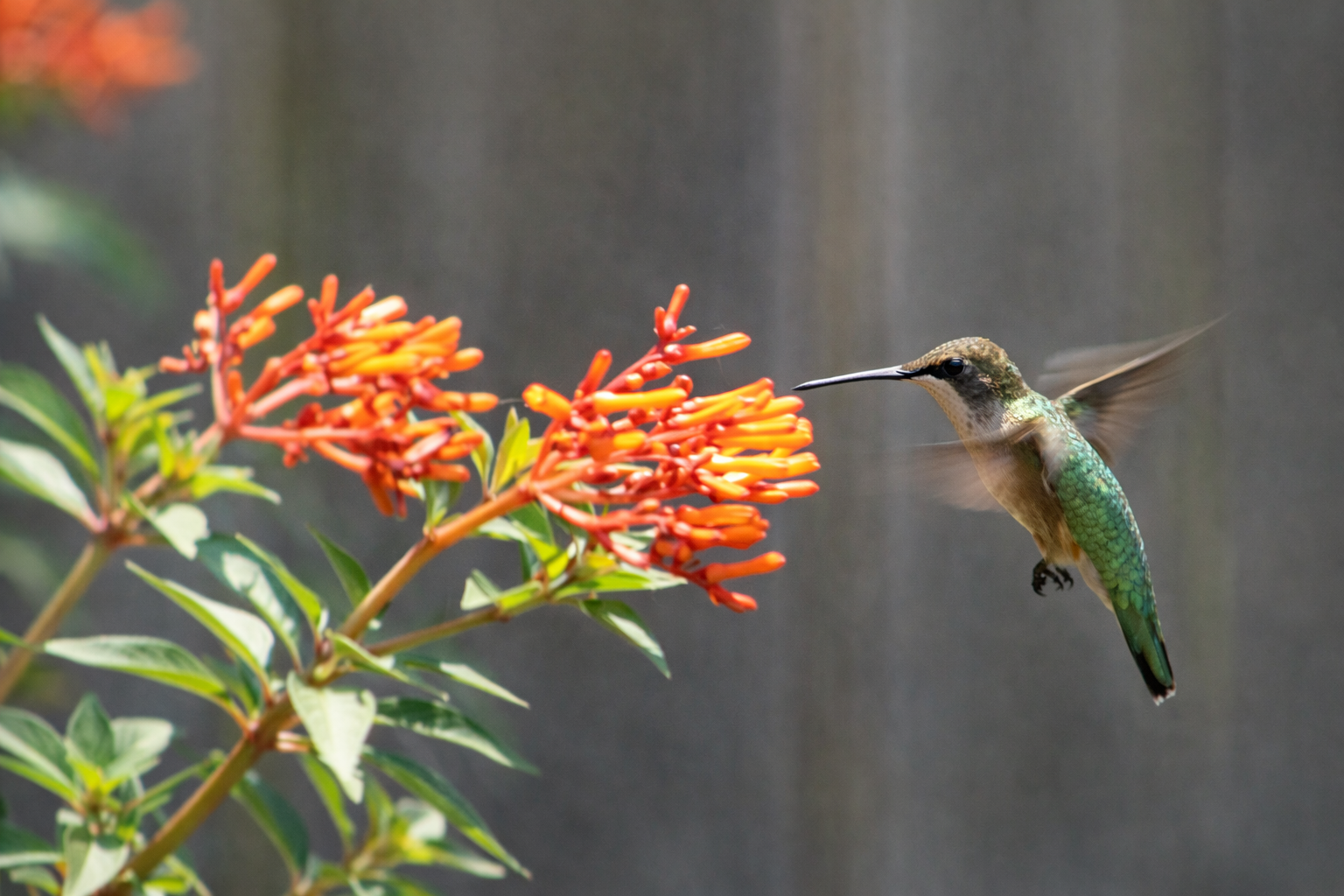
Discovering God’s Intentional Design in Midlife
When I lived in Texas, one of the native birds I often spotted in the backyard was the Ruby-Throated Hummingbird. Whenever I caught sight of one through the window, I’d stop whatever I was doing to watch. It always brought me joy to see their shimmering green bodies at the feeder or darting from flower to flower.
There’s something about hummingbirds that feels joyful and uplifting. Perhaps that’s why they hold such a special place in the hearts of many women.
When you discover the fascinating details of the hummingbird, you’ll see how their unique design reflects God’s love for detail in His creations and that nothing He has made is by accident.
Including you.
That truth becomes clearer when we look closely at how the hummingbird was made.
Hummingbirds: Purposeful Design
Hummingbirds, named for the distinct buzzing sound they make, have been so perfectly designed that they haven’t needed to change or adapt over time. Fossil records suggest they’ve remained the same since their earliest existence.
When God created the hummingbird, He provided it from the beginning with the features it needed to survive and thrive.
The same goes for you too. You have been created in God’s own image and designed to thrive, through every season of your life —even midlife.
“For we are God’s handiwork, created in Christ Jesus to do good works, which God prepared in advance for us to do.” – Ephesians 2:10 (NIV)
God’s intentional design is especially visible in the way the hummingbird moves through the world.
Living with Steady Strength
The energy of a hummingbird is truly remarkable, perfectly suited for traveling from place to place to feed and pollinate. Did you know that:
- Its heart beats up to 1000 times per minute
- Its wings beat 50–80 times per second
- Its unique ability from other birds is how they hover—while their wings still beat furiously
In midlife, your strength might not look the same as it did in your 20s or 30s. Those quick bursts of energy may be less common now, but that doesn’t mean you’re weaker—you’ve just gained a different kind of strength: steady and reliable. Sometimes, it’s about “hovering”—being present, keeping loved ones connected, and sharing hope.
That kind of constant motion requires more than strength—it requires knowing how to refuel.
Learning How to Refuel
As hummingbirds flit from flower to flower, they use their long bills and forked tongues to sip nectar from plants other insects can’t reach. Despite their sugar-rich diet, they burn it off effortlessly.
In midlife, as schedules shift and empty nests become our reality, you will need to refuel in new ways. You were made to find nourishment in ways others might not fully grasp—through Scripture, prayer, creativity, rest, or simply moments of stillness.
Midlife often shows us what actually sustains us—and there’s no need to apologize for it.
Beyond their energy and endurance, hummingbirds carry another quiet wonder.
Reflecting God’s Light
One of the simple pleasures of watching hummingbirds is admiring their vibrant colors. With the male Ruby-Throated hummingbird in particular, their shimmering green bodies can be spotted from afar. And there are some fascinating facts about their coloring worth knowing:
- Its feathers aren’t actually “colored”
- Its color comes from microscopic platelets that refract light
- Its color changes depending on the angle it is seen
The hummingbird flits from place to place, tending to its tasks. It doesn’t aim to draw attention, yet it naturally does, shimmering in the light.
Your beauty isn’t about trying to shine brighter—it’s about simply standing in the light. As the seasons change, the way you reflect God’s grace might shift, but it’s always just as stunning.
Entering midlife doesn’t mean that you’ve faded. It means you’ve learned how to shine.
Their beauty isn’t the only thing that sets them apart—the way they see the world does too.
Seeing with Greater Clarity
Despite its tiny size, the hummingbird boasts remarkably complex vision that can even surpass that of humans. For example:
- Its range of vision helps them immediately see nectar producing plants
- Unlike humans who see three color types (red, green, blue) they use ultraviolet rays to see things we cannot
In midlife, your vision sharpens with the clarity that comes from wisdom. You’ve figured out what truly matters, what nourishes you, and what no longer benefits you. Now, you can spot truths, patterns, and needs that once went unnoticed.
With that kind of clarity, the hummingbird also knows when it’s time to pause and tend to what matters most.

We never would have spotted it if we hadn’t been buzzed every time we got too close.
Building with Care
Hummingbirds are skilled and thoughtful nest builders. Their tiny, cup-shaped nests, often no bigger than a golf ball, are carefully crafted to protect their eggs and chicks.
Using plant fibers, moss, and pine resin, female hummingbirds weave intricate nests and disguise them with lichen and bits of bark, so they blend seamlessly into their surroundings. Each nest takes five to ten days to complete—small in size, but full of purpose.
There is something deeply meaningful about this quiet work. Nest building doesn’t draw attention. It happens slowly, patiently, and often unnoticed.
Midlife often brings seasons of caring—looking after family, supporting aging parents, nurturing marriages, friendships, and faith. These efforts may seem small or go unnoticed, but they matter deeply. God sees the dedication of your actions and the love you pour into the lives you care for.
When the time comes, the hummingbird leaves the nest behind—not because the work wasn’t important, but because it was complete.
Moving Forward with Courage
Like many birds, hummingbirds feel the need to migrate to warmer southern climates. They sense when the days grow shorter and the air begins to chill. But unlike most birds, they have their own unique and fascinating travel habits:
- It bravely flies solo, instead of in a group
- It travels the same path every year, and remembers previous rest stops
- It uses tailwinds to conserve energy
- It can fly up to 500 miles nonstop over water
Midlife can feel like its own kind of journey. Not moving backward, not lost—just different. Navigating this stage might call for fresh courage, sometimes going it alone for a while or making more stops along the way.
And that’s okay. You’re not behind—you’re still moving forward.
God didn’t design the hummingbird to slow down and disappear with time. He designed it to keep moving—wisely, beautifully, efficiently. And He hasn’t stopped designing purpose into your life either.
This season still matters.
You still matter.
Dislaimer: Featured photo is a female Ruby-Throated Hummingbird. All photos in this post are the property of Angie Vallejo and may not be used without permission.
References: (1) Acts & Facts magazine, ICR.org, November 2020, pages 17-19. (2) hummingbirdcentral.com (3) nationalgeographic.com









I’d love to hear what you think!