
When my husband and I first started dating, we were long-distance—he in Texas, I in Michigan. One Christmas, he surprised me with a small orange jewelry box. I didn’t recognize the brand, but I hoped he had good taste!
Inside was a sterling silver ring—crafted in a heart shape, with a delicate gold heart at the center. Simple, beautiful, and meaningful. I still have it today.
Once we married and I moved to Texas, I began to understand just how special that little orange box was. It came from James Avery Artisan Jewelry, a beloved brand in the Lone Star State.
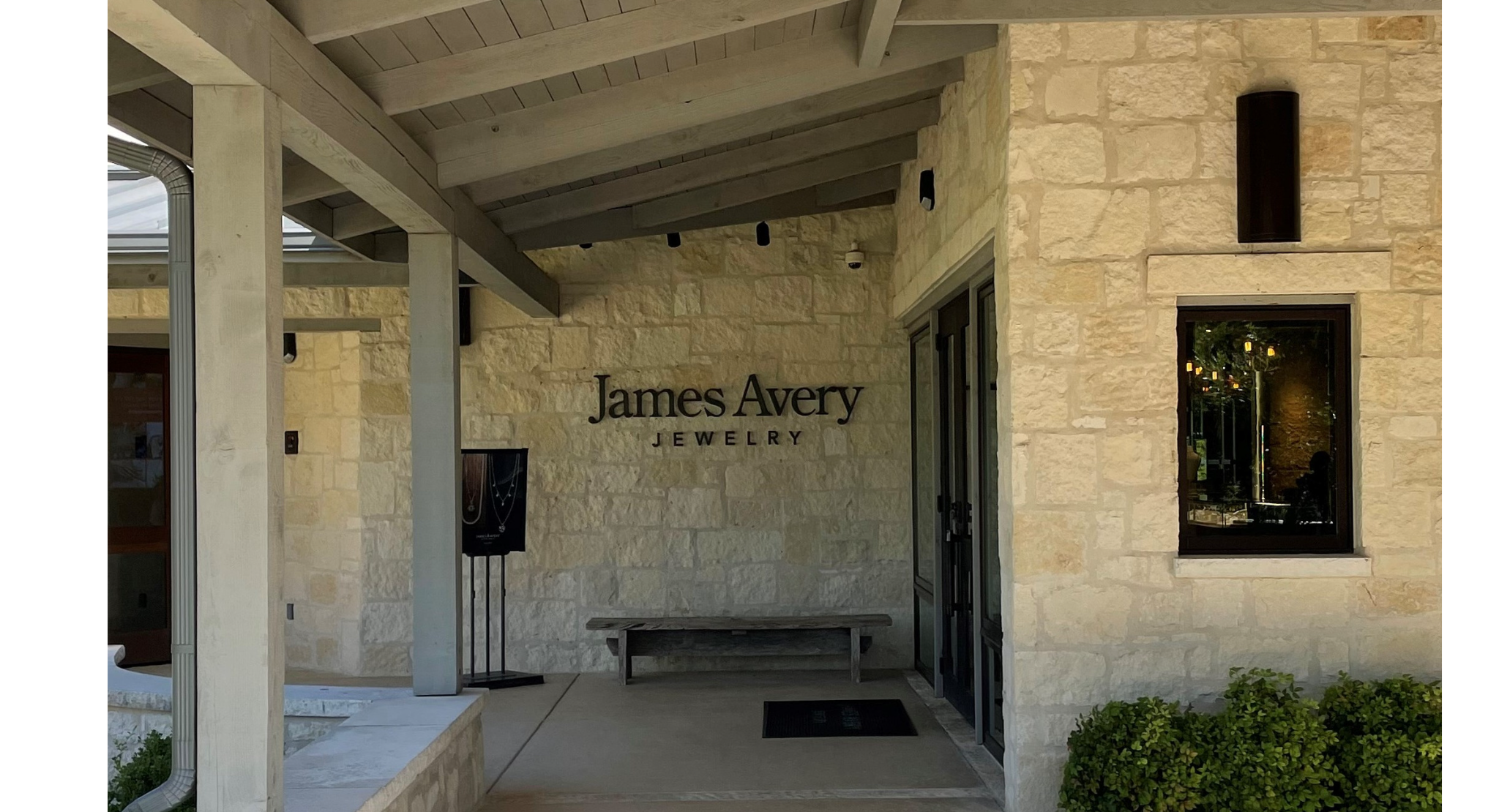
On a recent trip to Kerrville, Texas, we had the opportunity to visit the place where this jewelry—and the legacy behind it—began.
The Story Behind the Craft
James Avery arrived in the Texas Hill Country during World War II, serving in the U.S. Army Air Corps at what is now Lackland Air Force Base in San Antonio. After the war, he earned a BFA in Industrial Design, taught at the University of Colorado, and began experimenting with jewelry-making alongside his students.
In 1954, he and his wife moved back to Texas, where he started a small jewelry business in his in-laws’ garage. With just $250 and a clear vision, James Avery began creating pieces with “lasting value that were meaningful to him and his customers.” (James Avery website)
By 1957, he had his first catalog. In 1965, the business officially became James Avery Craftsman, Inc., and two years later, moved to a 20-acre property in Kerrville—where the heart of the company still beats today.
A Place Rooted in Family and Faith

The company’s first retail store opened in 1973 in Kerrville. Today, James Avery Artisan Jewelry has grown to more than 100 stores and a thriving online presence. Yet despite its growth, the company remains family-owned, rooted in its original mission of creating jewelry that carries personal and spiritual meaning.
While known for their timeless charms, crosses, rings, and bracelets, James Avery’s real charm is in the care behind each piece. Many employees have served the company for decades—often working alongside parents or siblings, passing down both skill and story.
Each department, from marketing to design, remains on the Kerrville property. A flagship store and museum on the site allow visitors to explore the company’s history and see the creative process firsthand.
James Avery himself continued designing until his retirement in 2007. He passed the torch to his sons, Chris and Paul, but stayed involved in design until his death in 2018. His personal workbench is now lovingly preserved in the company museum—a tribute to the craftsman and the faith-driven vision that began it all.
Jewelry That Tells a Story
Over the years, my husband has gifted me several James Avery pieces—each with a story, each a reminder of a special moment. My charm bracelet is filled with memories. And like many women who treasure their James Avery collections, I see these pieces not just as accessories, but as heirlooms—expressions of faith, love, and life’s milestones.
Jewelry may seem small, but it can carry deep meaning. And when it’s crafted with intention and passed on with love, it becomes more than adornment—it becomes legacy.

If you want to visit:
There are no longer tours, but the retail store on the Kerrville property is open Monday through Saturday, 9 AM to 6 PM, and on Sunday, 12 noon to 6 PM. Allow time to look through their store, as they have many more jewelry pieces to see here than may be available in their other retail stores. The museum is at the back of the store and gives customers a step-by-step look at the history of their jewelry creations. The self-guided tour takes about 15 minutes; longer if you watch the company video in the viewing area.
Disclosure: Feature photo and others are property of Angie Vallejo and cannot be used without permission.









Leave a Reply to AnonymousCancel reply