
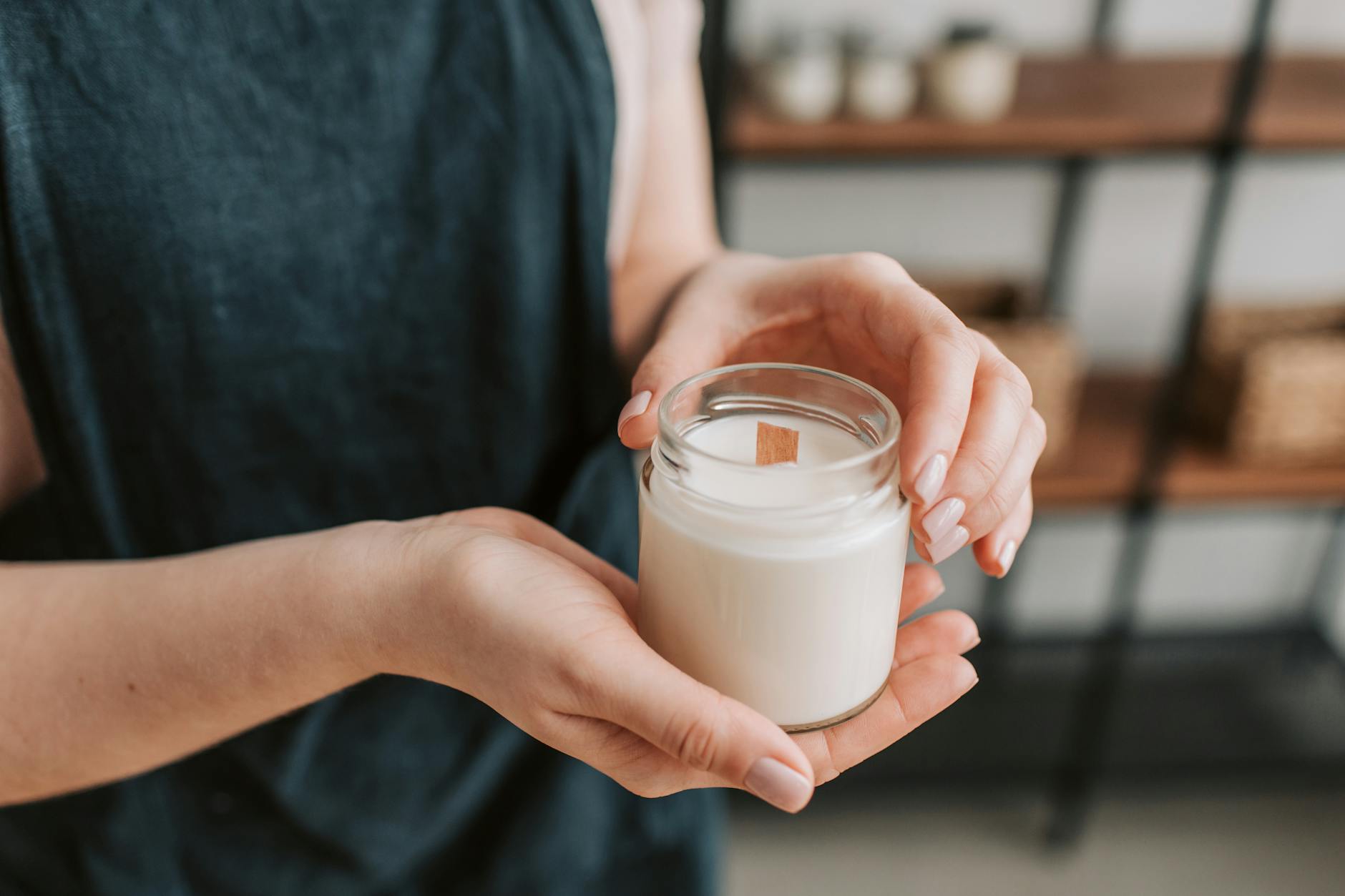
With National Handmade Day coming up this Saturday, it’s a great time to think about what you might do with the things you create.
If you’ve ever wondered whether you could sell something you’ve made, there are more options than ever—and many are easier to start than you might think.
Besides platforms and apps like Etsy and Facebook Marketplace, there are plenty of other places where you can connect with buyers and even grow a small business—if that’s something you’re interested in exploring.
The key is figuring out what works best for your pace, your goals, and your current season of life.
1. Etsy (A Familiar Starting Point)
Etsy is often the first place people think of—and for good reason.
Pros:
- Built-in audience already searching for handmade items
- Easy to set up a shop
- Great for beginners
Cons:
- High competition
- Fees can add up
- Requires good photos and keywords to stand out
-> Best for: Beginners who want an easy place to start
2. Tedooo (A Social Marketplace for Makers)
Tedooo is a newer platform that combines selling with social interaction, creating more of a creator community vibe than a typical storefront.
Pros:
- No selling fees
- Built-in community and interaction with other makers
- Easy to explore and get started
- Encouraging environment for beginners
Cons:
- Smaller audience than Etsy
- Sales can be slower or inconsistent
- Requires engagement (posting, interacting) to grow
-> Best for: Creators who enjoy community and want a low-pressure place to share their work
Etsy vs. Tedooo: What’s the Difference?
This is where many people get confused, so let’s keep it simple:
- Etsy is a search-based marketplace → People go there looking to buy
- Tedooo is a social platform with selling features → People go there to connect, share, and discover
Think of it this way: Etsy is like setting up a booth in a busy market, and Tedooo is like joining a creative community where relationships grow over time.
Many sellers use both: Etsy for steady sales, and Tedooo for visibility, encouragement, and connection
3. Amazon Handmade (For Greater Reach)
Amazon Handmade gives artisans a platform to display and sell their creations directly on the Amazon marketplace.
Pros:
- Massive customer base
- Strong trust with buyers
- Potential for higher volume sales
Cons:
- Application required
- Fees can be higher
- Less “personal” feel than Etsy
-> Best for: Sellers ready to grow and reach a larger audience
4. Shopify (Your Own Online Store)
Shopify lets you easily create your own website and online store.
Pros:
- Full control over your brand
- No marketplace competition on your page
- You own your customer list
Cons:
- Monthly cost
- You must drive your own traffic
- Slight learning curve
-> Best for: Those thinking long-term or building a brand

5. eBay (Flexible and Underrated)
eBay isn’t just for auctions—it can also be used for handmade goods.
Pros:
- Large global audience
- Flexible selling options
- Good for testing products
Cons:
- Not handmade-focused
- Can feel less curated
- Pricing competition
-> Best for: Experimenting and reaching different types of buyers
Should You Use More Than One Platform?
You might be wondering: “Do I just pick one and stick with it?”
Not necessarily. Many sellers find that using a mix of platforms works well over time.
Why a mix can be helpful:
- You’re not dependent on one platform
- You can reach different types of buyers
- You can test what sells best in different places
For example:
- Etsy for discovery
- Your own site for repeat customers
- Local markets for personal connection
A Gentle Reminder:
Using multiple platforms can be a great strategy—but it’s not always the best place to start.
If you’re just beginning: Start with one platform and keep it simple.
If you’re creating consistently and building inventory: Expanding to multiple platforms can make sense.
Not Everything Has to Be Sold
Before you decide what to do next, it’s worth saying this: You don’t have to turn your creativity into a business for it to matter.
If selling feels overwhelming—or simply not right for you—there are other meaningful ways to use what you make.
Many organizations accept handmade items to bless others. Simple things like cards, small gifts, or stitched items can bring comfort and encouragement in ways you may never fully see.
If that’s something that speaks to you, you can read more HERE
Sometimes the value of what you create isn’t in what you earn… but in who it reaches.
Selling handmade items isn’t just about making money. It’s about sharing something you created—something that didn’t exist before you made it.
And whether you choose to sell it, gift it, or give it away…
There’s room for your creativity here.








Leave a Reply to Cynthia Jean WinselCancel reply