

Finding Steady Ground in Anxious Times
Stress and anxiety are part of life—but when they start to take over, it can feel like everything is falling apart. For women in midlife, there is a lot happening behind the scenes: caregiving for elderly parents, mourning losses or changes, managing health concerns, or just feeling unsure about what the future holds. It can be isolating. It can feel like too much. And if that sounds familiar, you’re definitely not alone.
I’ve lived with depression and anxiety for most of my adult life. It doesn’t always look the same. Sometimes it’s brain fog with zero energy. Other days, it’s that little inner voice whispering that I should be doing more. There’s often this heavy feeling of shame—like if I just had more willpower, I could snap out of it. But that’s not how depression works. And anxiety doesn’t play by those rules either.
Stress usually comes from outside stuff—things like too many commitments, conflict, or money worries. But anxiety? That sticks around even after the stressful moment passes. It shows up as dread about what’s coming, avoiding tough talks, or freezing when life feels out of our hands. And when we leave that tension unspoken, it slowly drains our energy and peace.
Still, there’s hope. You’re not broken. Hope isn’t just a wish—it’s what starts to build when you take even the tiniest step forward.
How Small Actions Can Relieve Midlife Anxiety
One phrase I keep coming back to is: Action alleviates anxiety. That doesn’t mean pretending everything’s fine or trying to fix it all at once. It just means taking one tiny step—then maybe another. Anxiety is a kind of energy, and it needs somewhere to go. Even the smallest move can help us feel a little more in control… and a little more hopeful.
Ask yourself: What’s one thing I can do today to face what’s bothering me?
It could be something practical, like:
- Making a doctor’s appointment.
- Setting a timer and cleaning for 10 minutes.
- Skipping the store and ordering groceries online.
- Writing your thoughts in a journal.
Even the smallest shift can begin to loosen that knot of anxiety.
When I was a caregiver for my 92-year-old mother (she’s now with the Lord), I learned this firsthand. Her physical care was doable—but the emotional toll was tougher. The constant negativity wore me down. Mornings started with complaints, and if I wasn’t careful, that mood would spread through the whole house. The heaviness seeped in, even where there used to be peace.
That experience taught me two life-saving lessons: the power of responding instead of reacting… and the importance of carving out time just for me.
Emotional Resilience: Choosing Response Over Reaction
My breakthrough came when I realized I could choose how I responded to my mother’s moods. Before that, I’d get defensive or frustrated—and the tension would just snowball. But once I started pausing, taking a deep breath, or even stepping away briefly to pray or regroup, something shifted. It didn’t change her. But it changed me. And that shift brought real peace to both our lives.
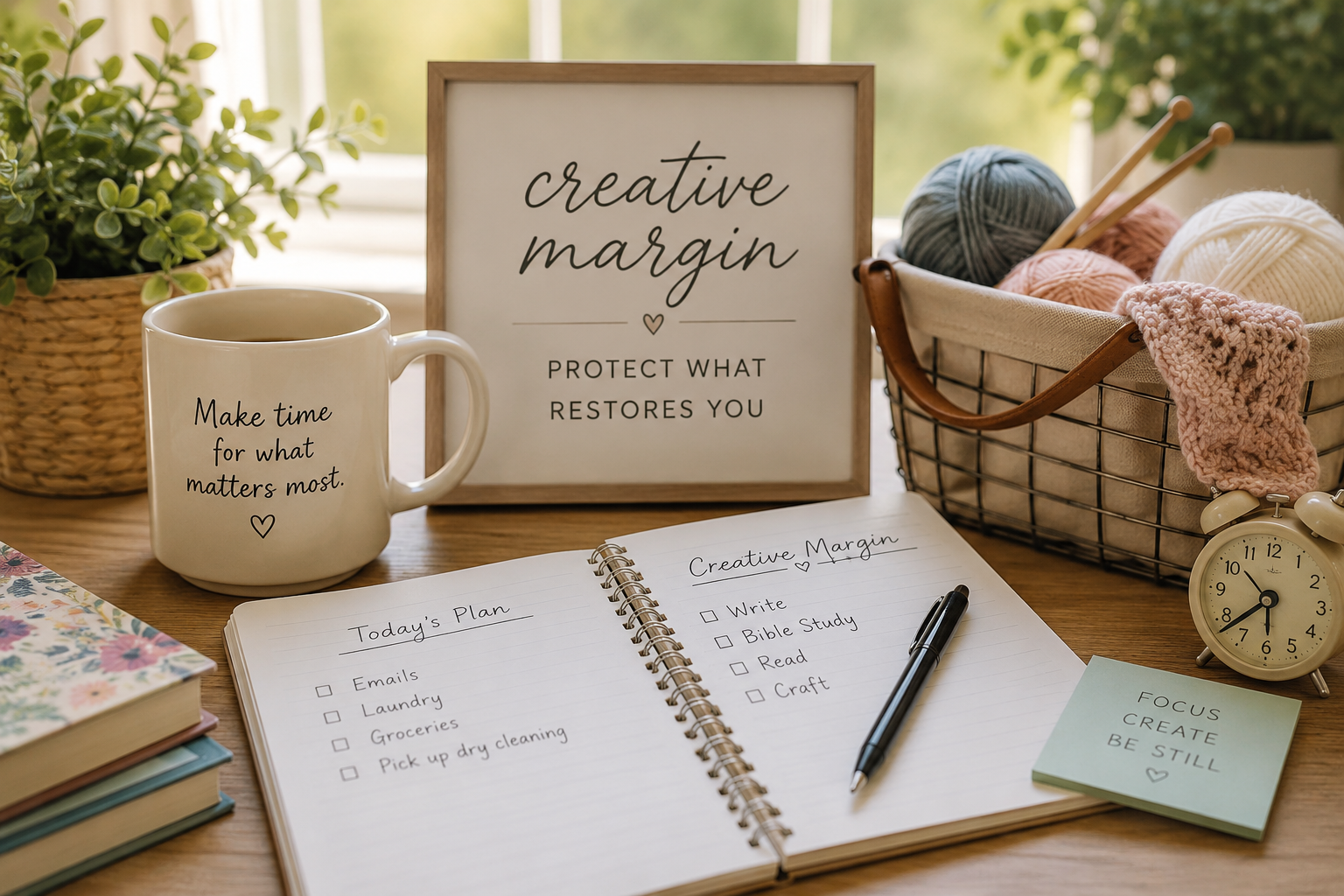
I also learned to protect a little pocket of time just for me. Around 4:00 PM, once my mom settled in for the night and closed her bedroom door, I claimed that window as mine. Sometimes I’d nap before dinner, flip on a favorite show, crack open a book, or escape to my craft room. Other times, it was just a long, quiet shower. That space—small as it might seem—helped refill my emotional reserves.
And I started letting go of unnecessary stress. One tiny example: switching to grocery pickup. It saved me an hour, cut down on mental strain, and felt like reclaiming a little slice of sanity. Maybe that sounds minor, but when you’re stretched thin, even one less friction point can make all the difference.
How Physical Activity Eases Anxiety
Another way to loosen anxiety’s grip is to move. When your thoughts spiral, your body can help ground you. A few simple actions can go a long way in resetting your mindset:
- Go for a short walk or stretch in the sunshine.
- Turn on worship music and move while you clean.
- Light a candle, brew tea, or add a calming scent to your space.
- Organize one drawer or shelf—small wins build momentum.
- Write a prayer or a list of blessings.
- Do a simple act of kindness for someone else.
These moments bring you back into the present. And the present is where healing begins.
When anxiety weighs heavy, I’ve found that action helps—but so does anchoring my soul in something deeper. There are moments when no amount of journaling, movement, or quiet time seems to reach the ache. That’s when I turn to the Psalms—raw, sacred words that remind me I’m not alone in the struggle.
Reading the Psalms When Depressed or Anxious
King David, the man after God’s own heart, struggled with depression and anxiety too. In his writings, I see the raw, real cries of a man who felt forgotten, betrayed, and overwhelmed. But I also see hope. He poured out his pain honestly—and then reminded himself of God’s unfailing love.
In Psalm 13, David writes:
“O Lord, how long will you forget me? Forever? How long will you look the other way?
How long must I struggle with anguish in my soul, with sorrow in my heart every day?”
-Psalm 13:1–2 (NLT)
But just a few verses later, he shifts:
“But I trust in your unfailing love. I will rejoice because you have rescued me.
I will sing to the Lord because he is good to me.” -Psalm 13:5–6 (NLT)
This honest rhythm—lament, trust, worship—is one I return to again and again. It’s okay to ask “How long, Lord?” It’s okay to feel lost or weary. God does not demand perfect peace from us before He’ll show up. He comes near because we’re hurting.
David’s story reminds me that I’m not alone. You’re not alone either.
Trusting God’s Unfailing Love in Seasons of Anxiety
Maybe you’ve been crying out to God and it feels like there’s no answer. Maybe you’ve asked, “How long?” and the silence is deafening. I’ve been there. But here’s the truth I return to, even when I don’t feel it:
- You can trust God’s faithful love.
- You can believe He will rescue you.
- You can know He is still good.
In Psalm 73, David wrote:
“Yet I still belong to you; you hold my right hand.” -Psalm 73:23 (NLT)
That image brings comfort—God holding your hand, steadying you as you walk through uncertainty. He won’t let you slip. Even when the path is rocky.
How to Reach Out for Help with Depression and Anxiety
If the weight of anxiety or the haze of depression feels too heavy to carry on your own, please reach out—there’s real strength in admitting you need help. Share what’s on your heart with someone you trust—a friend, a family member, or a fellow believer. If your mind and body are both crying out for relief, don’t hesitate to call your doctor or a counselor—you deserve professional care as much as anyone.
Remember, healing rarely follows a straight line. Some days, progress might feel invisible, but that doesn’t mean you’re stuck. God’s love is steady, even in the hardest moments, and there are people ready to walk this road with you. You don’t have to figure it out alone.
So take one small step today—send that message, say a prayer, or step outside for some fresh air. Let that tiny action be your starting point. Every little move forward brings you closer to peace. You are seen, you are loved, and help is within reach.
If you are despondent, in distress or want to harm yourself,
please dial 988 to speak with a trained counselor.
The 988Lifeline is available by simply dialing 988 on your phone. Their website says: The 988 Suicide & Crisis Lifeline provides free and confidential emotional support to people in suicidal crisis or emotional distress 24 hours a day, 7 days a week, across the United States and its territories. The 988 Lifeline is comprised of a national network of over 200 local crisis centers, combining local care and resources with national standards and best practices.









I'd love to hear what you think!